
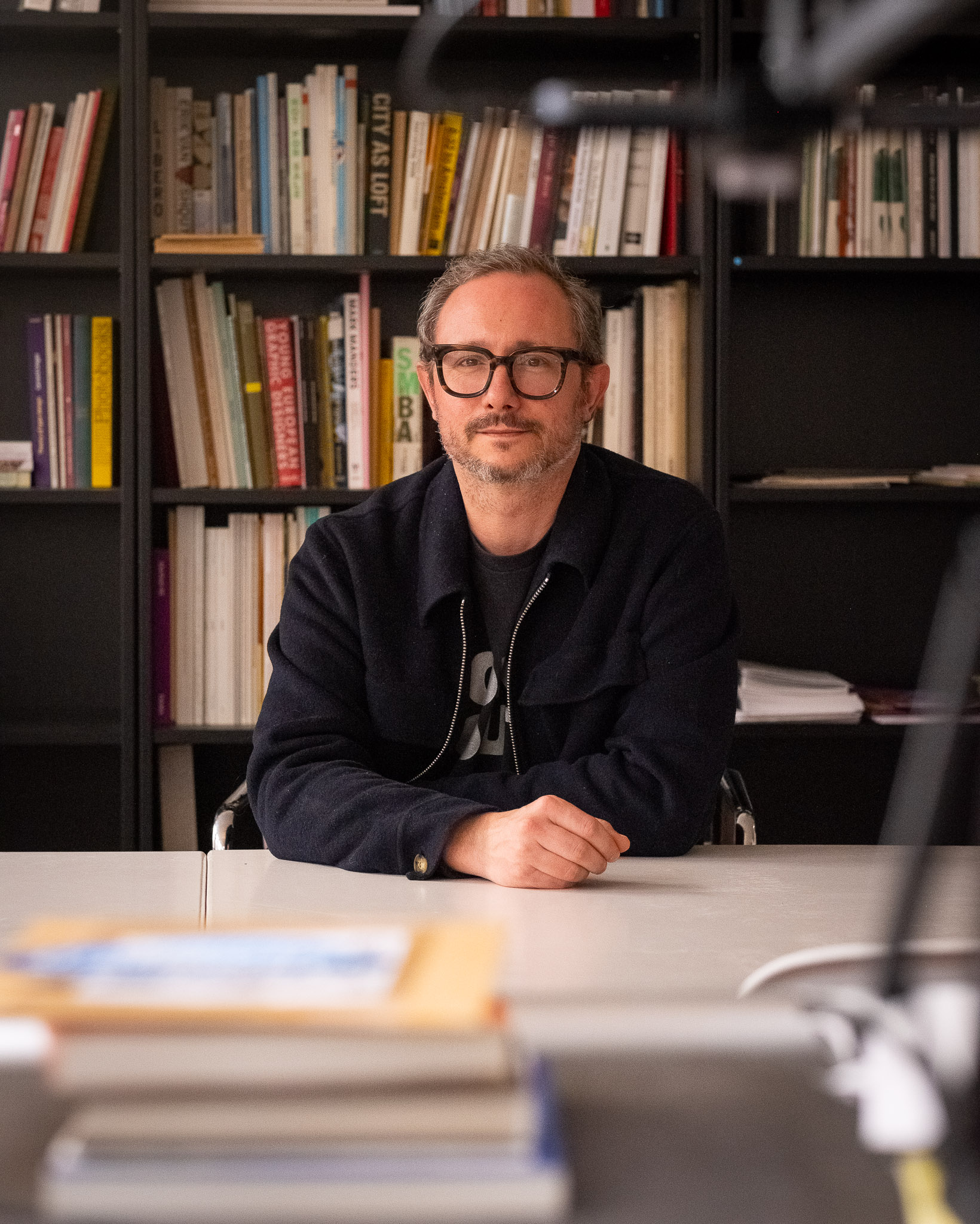
A Meeting with Remco van Bladel
“The Internet is almost a forgetting machine.”
We live in a time when everything is visible, yet almost nothing truly sticks. Feeds refresh, timelines erase themselves, and yesterday’s image is today’s noise. Memory gets flattened. Images become content. Archives slide out of sight. For graphic designer Remco van Bladel, that isn’t a theory. It’s where his work begins.
Remco is a designer, typography lecturer at ArtEZ, former art publisher, and co-founder of Archival Consciousness. His practice moves against acceleration, insisting on depth, care, and intentionality.
“I always followed my intuition, even when it came with uncertainty,” he says. “Money was never the driver. Hard work was.”
For him, design is a long game. It’s about curating your own trajectory and being strict with what you put into the world. A carefully edited portfolio doesn’t narrow you; it sharpens you. Then the right people don’t just see you — they recognise you.
After graduating in Graphic Design at St. Joost Art Academy, Remco joined Solar Initiative, the studio where he had interned. Solar felt like a playground. Creatives were pushed to look for what was new, and more importantly, to be authentic.
After six years of constant exploration, Remco left to open his own studio. The practice grew around long-form, content-heavy work: books, magazines, exhibitions, websites, identities and typefaces.
Designing so many books created a shift. Remco saw how many artists and designers struggled to publish their work. Together with Freek Lomme, he founded the artbook-publishing house Onomatopee.
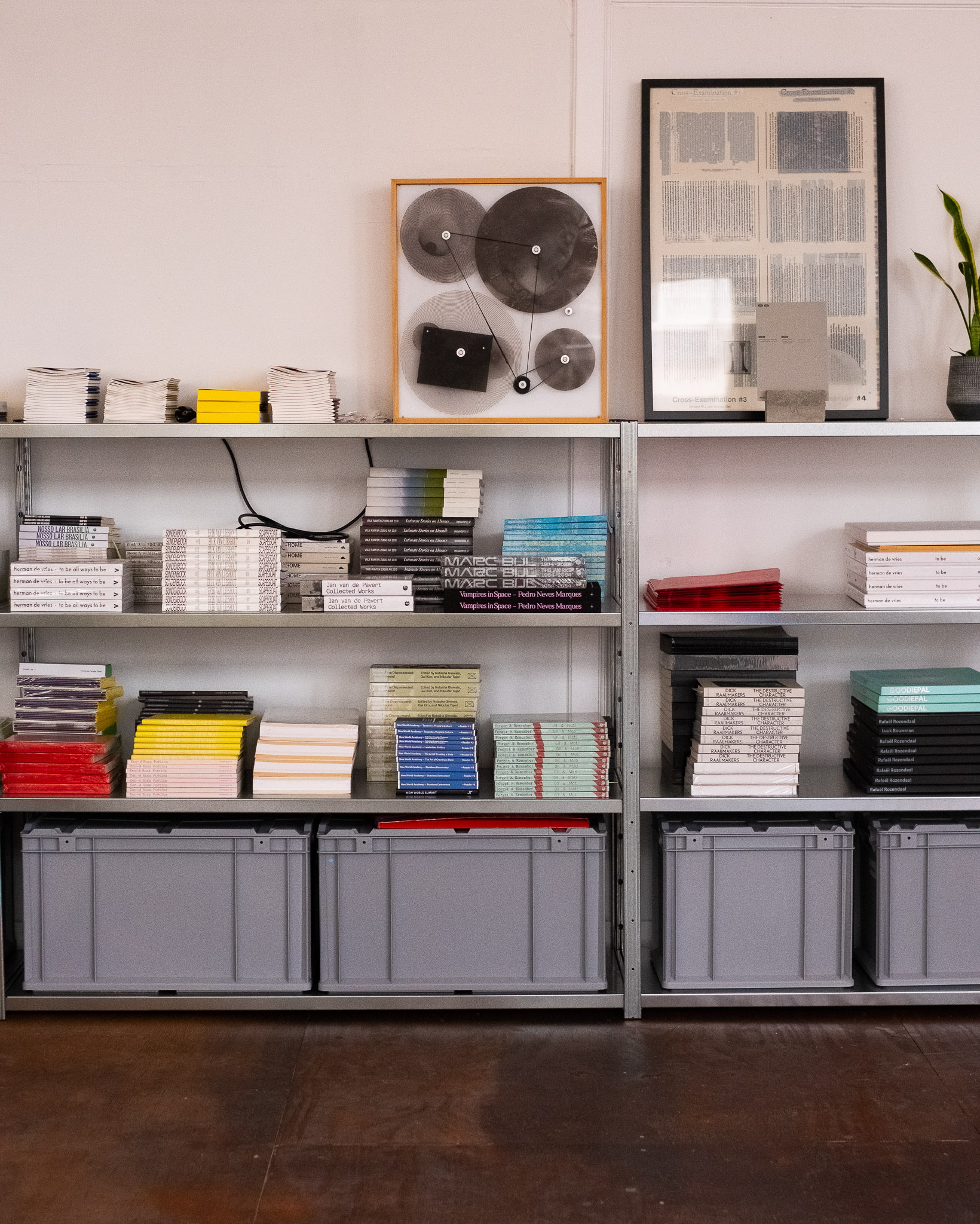
They didn’t just wait for proposals — they initiated and published dozens of publications themselves. The output was sharp, focused, and visible. The response came quickly: artists and curators started coming to them.
Then he did something he has done more than once in his career: he left at a high point to set new boundaries.
Remco turned to online publishing, recognising its power early. He began producing online art and cultural magazines for foundations and exhibitions — not just in the Netherlands, but also for the Venice Biennale, the Gwangju Biennale (Korea), and e-flux in New York.
For these large exhibitions, the default was to build stand-alone “satellite” websites, often designed to live for around five years. Beautiful, yes. But also expensive and labour-intensive to maintain.
The question became: why pour so much energy into a website that will decay, when you could build an online book — a platform with a longer life and a clearer structure?
In 2018 Remco met artist and data scientist Mariana Lanari. Her research and devotion into cultural archives and libraries sparked Archival Consciousness.
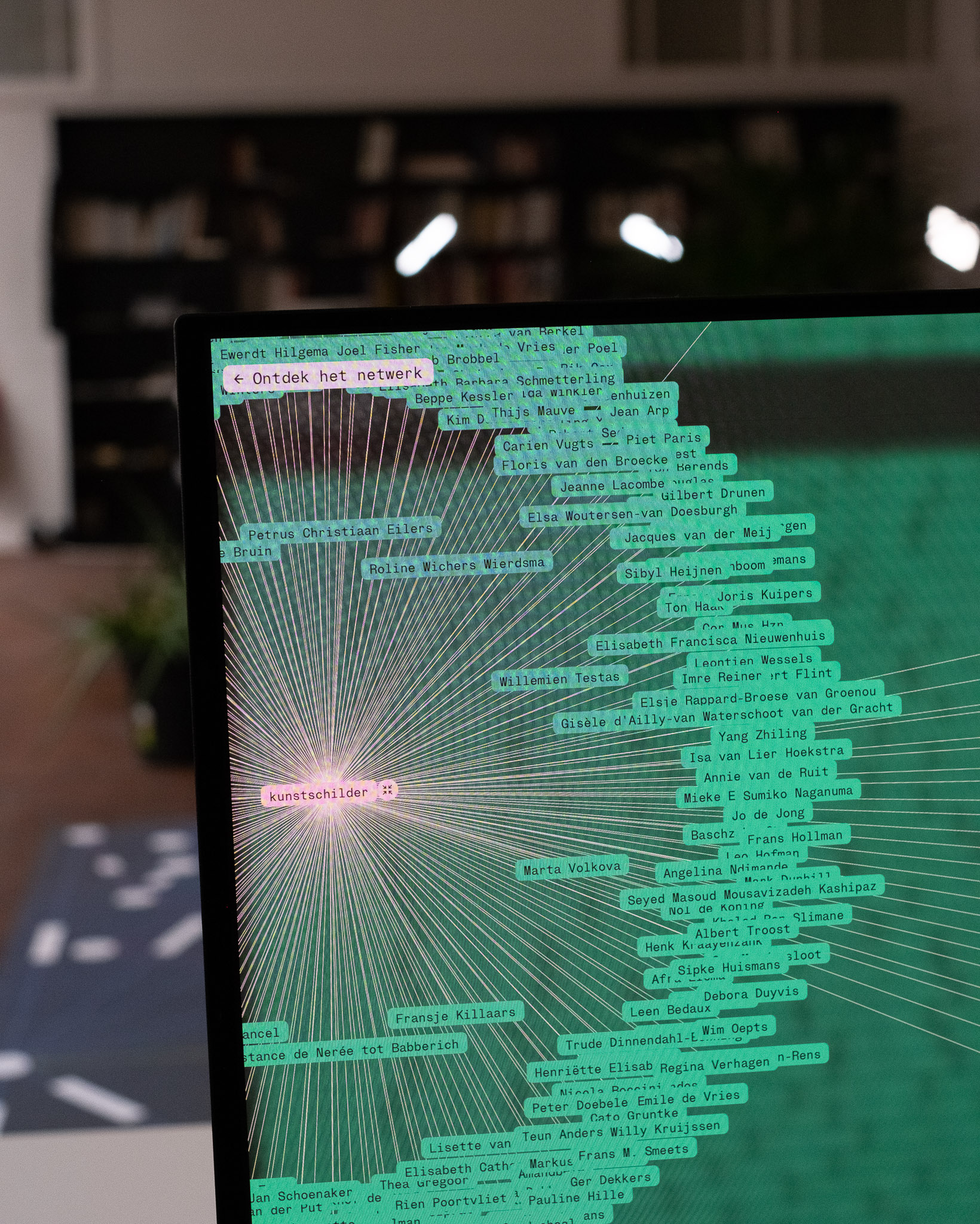
Archival Consciousness is both a practice, a methodology and a platform. It asks a simple but radical question: how should cultural archives live — online and offline — in a world built for the endless scroll?
Archival Consciousness builds tools and frameworks for meaningful access to archives. Not just search bars. Not flat lists. But systems that let people wander, connect, and discover.
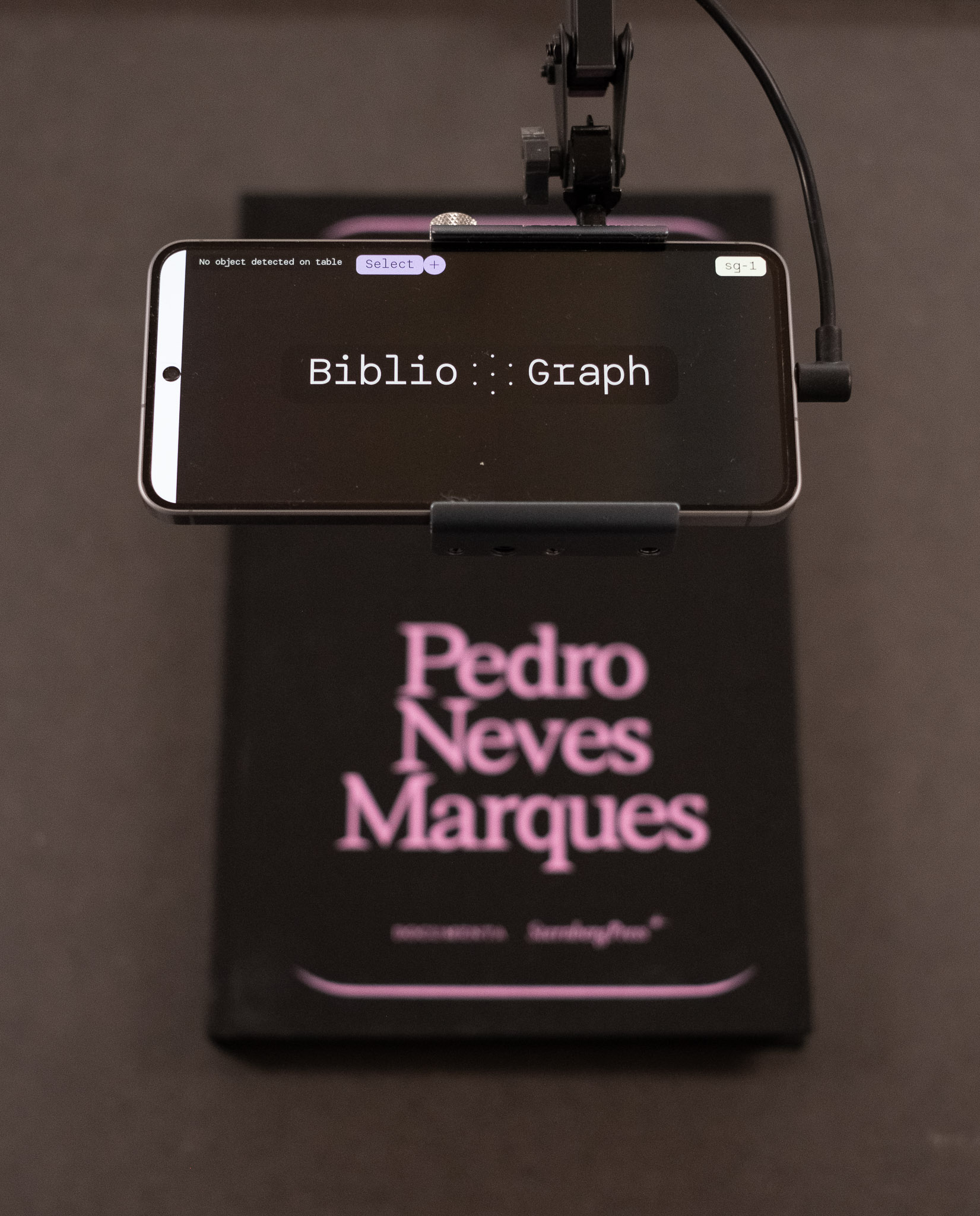
One of these tools is Biblio-Graph, a digital layer that sits on top of existing library databases. Instead of a static catalog, it creates a semantic graph: networks of people, objects, and events. Users can move through a collection intuitively, following relationships instead of keywords.
It’s not just data storage. It is explorable knowledge — connected and alive.
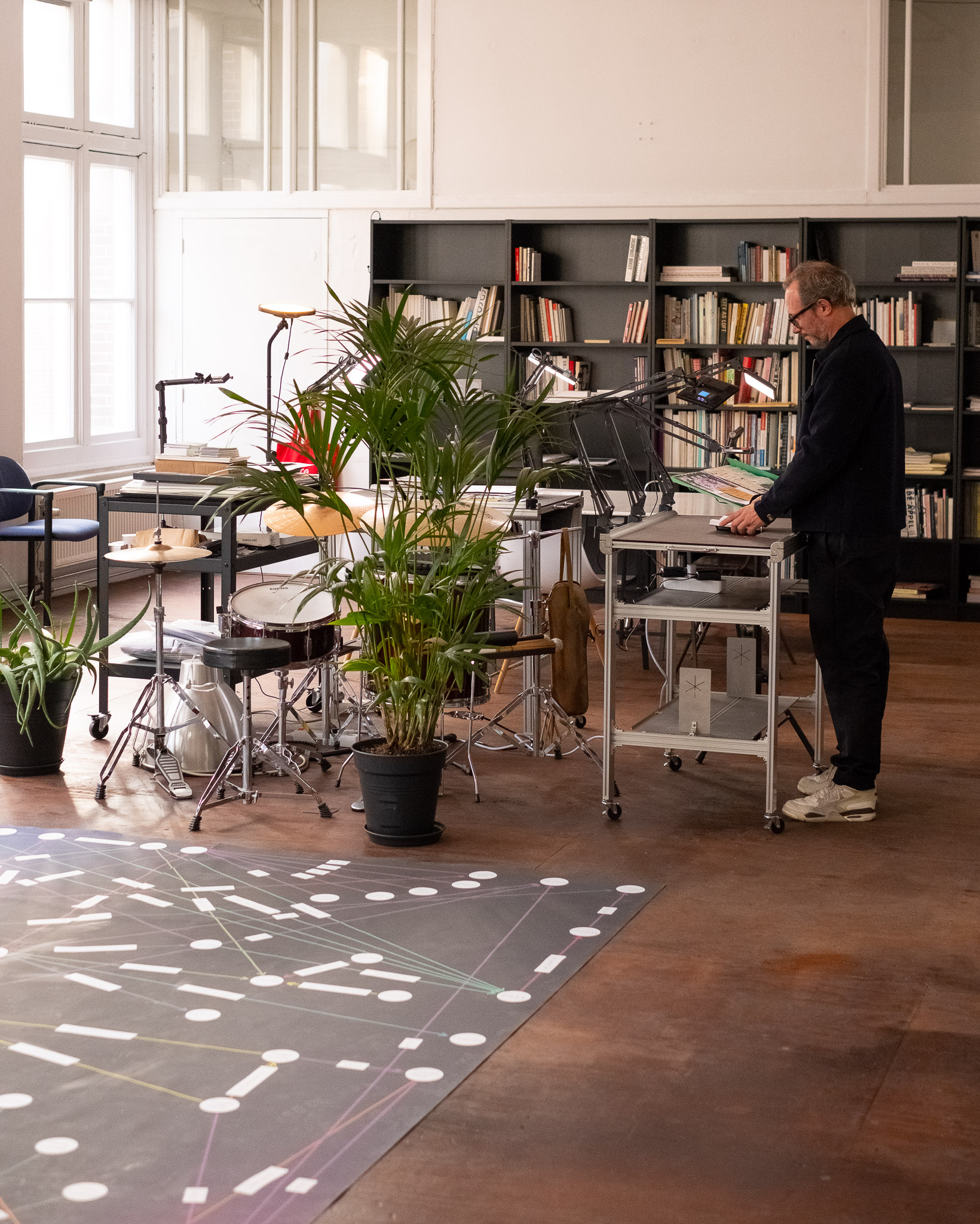
Another project is the Mobile Archive Unit, nicknamed Silverfish. It’s a community-driven device for digitising and enriching collections on the move. Instead of people passively consuming finished content, they participate in building and describing it.
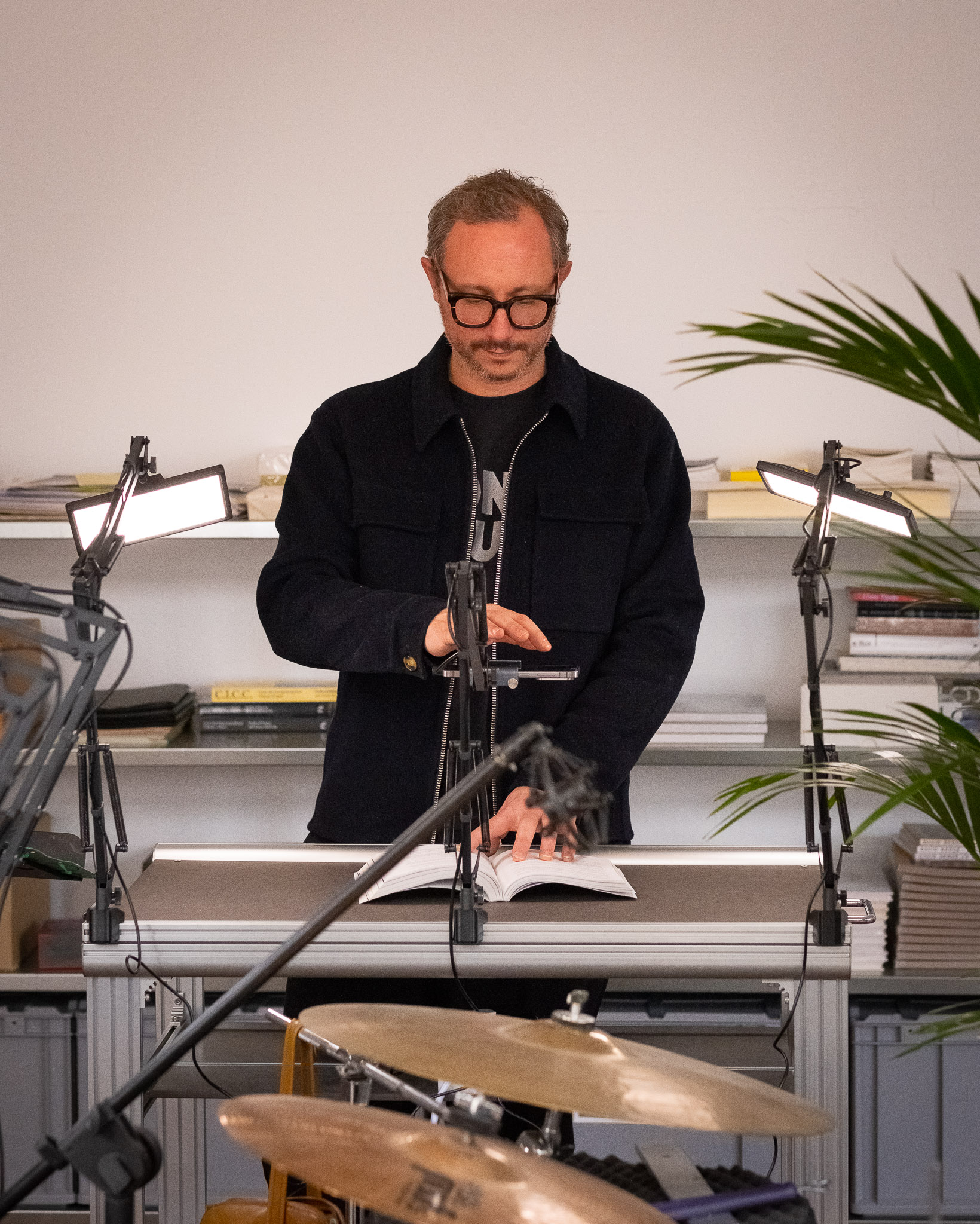
With Publish, Archival Consciousness helps editors and designers rethink publishing through the lens of preservation. The aim is simple: create a book and website in one go, that is publishing as archiving.
The scale of their collaborations shows how urgent this work has become. For De Appel, they are involved with an archive of around 18,000 books. For the Jan van Eyck Academie, they work with more than 40,000 books and websites going back to the early 2000s.
As Jan van Eyck celebrates its 75th anniversary, Archival Consciousness is helping to fold decades of scattered data back into a coherent database — a space where history can be navigated, not buried.
The team is also developing a new kind of publication tool. Designers work directly in the browser; when the design is finished, the system generates a fully functional website and a print-ready PDF at once. One process, two outputs, no compromise.
Looking back, Remco sees a clear line through what might seem like very different roles: designer, publisher, educator, systems builder.
“I’ve arrived where I dreamed of being,” he says. “I work internationally, I teach the next generation, and in everything I do, I keep pushing myself. I try to be as innovative now as I was at the start of my career.”
In a culture that keeps telling us to move on, scroll down, and forget, his work suggests something else: that design can slow things down, hold them in view, and keep them alive — against forgetting, and against the feed.